Having Fun With UV Light… Until I Learned What Really Glows on My Floor.
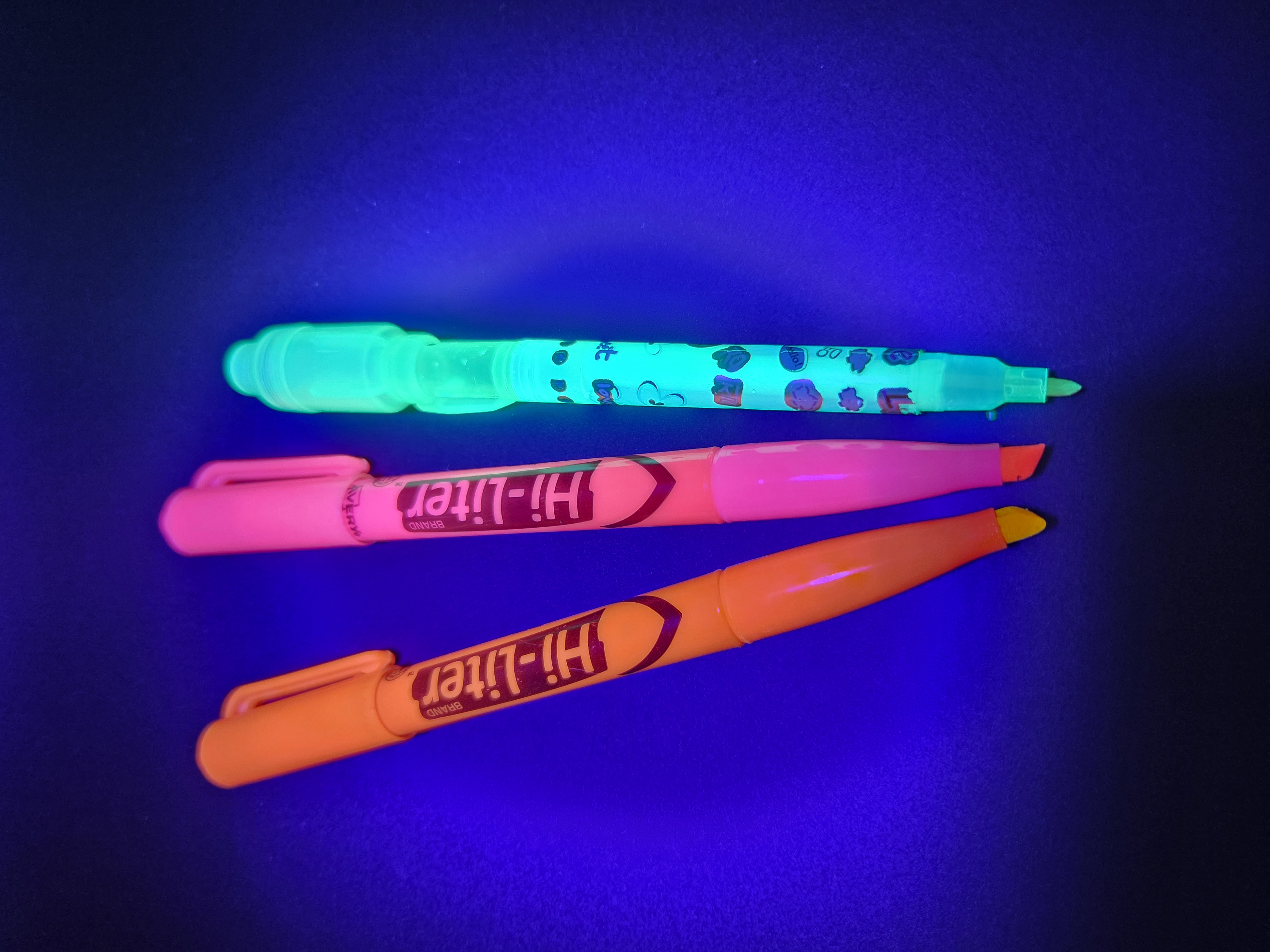
I decided to have a little fun while testing the Z60’s vacuuming and mopping abilities. Since UV light can reveal things the naked eye can’t, I grabbed a few “glow under UV” items to see what the Z60 would pick up:
- An invisible ink pen
- Pink and orange highlighters
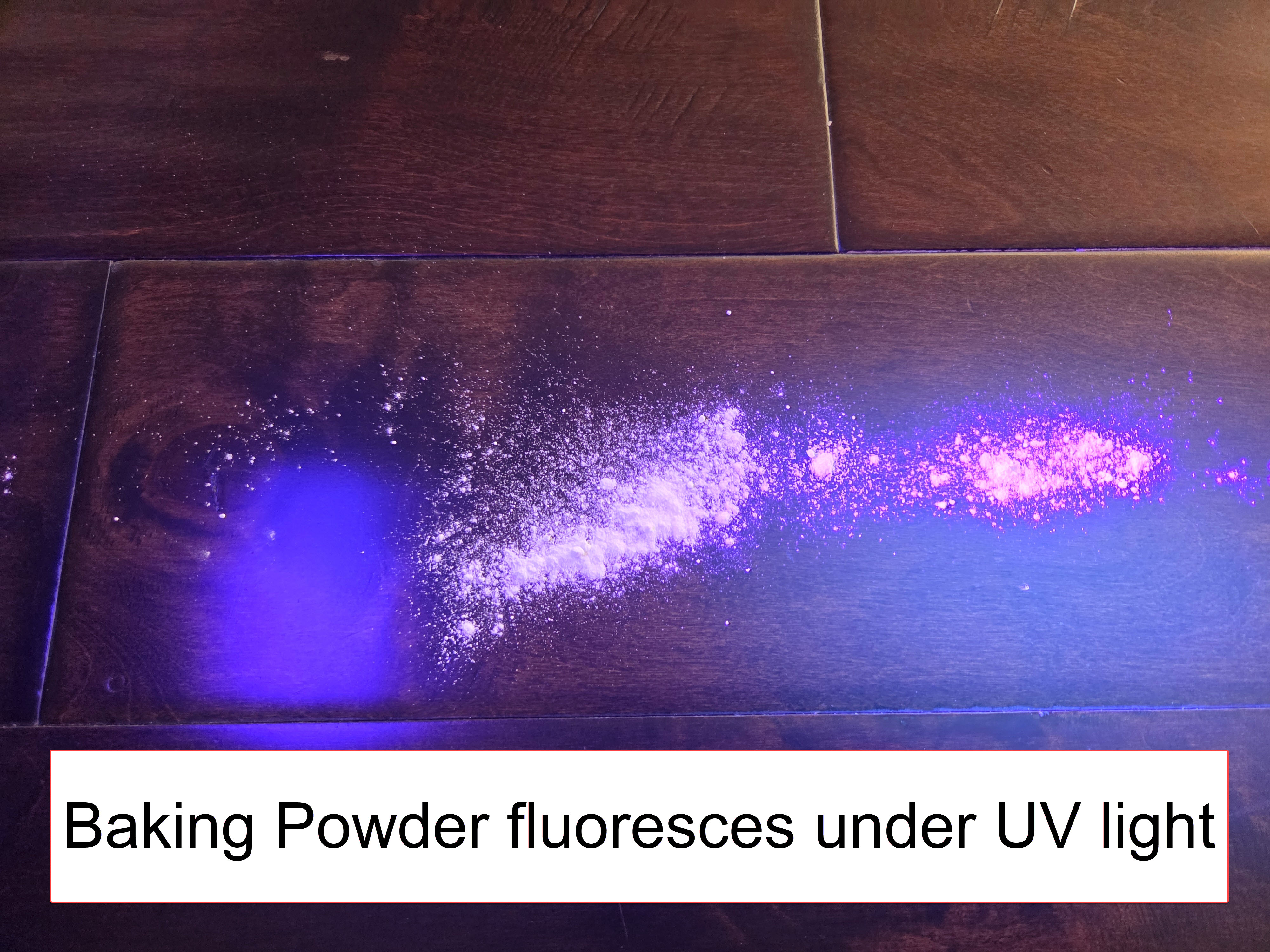
- Baking powder (which I didn’t know fluoresces this well)
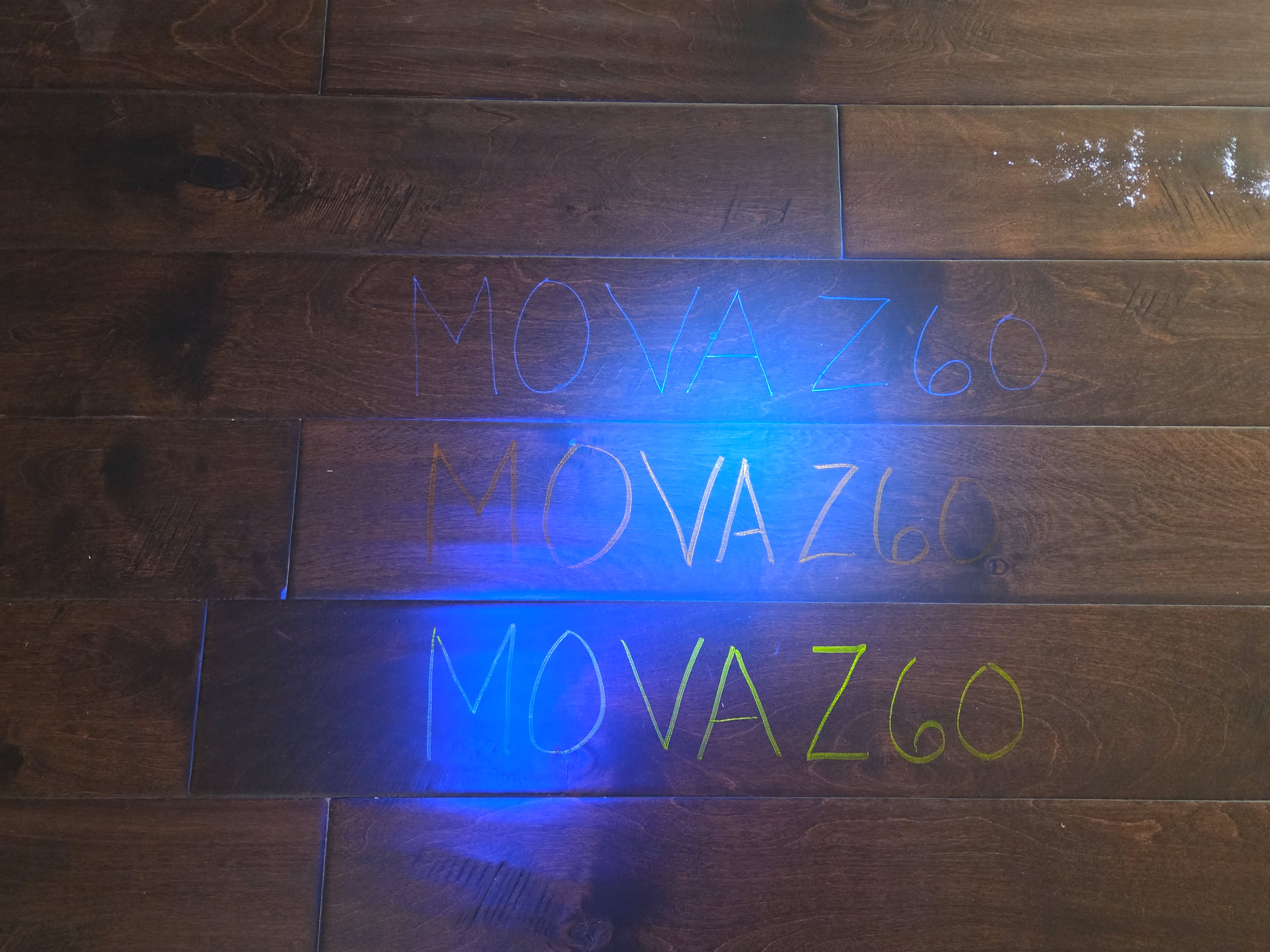
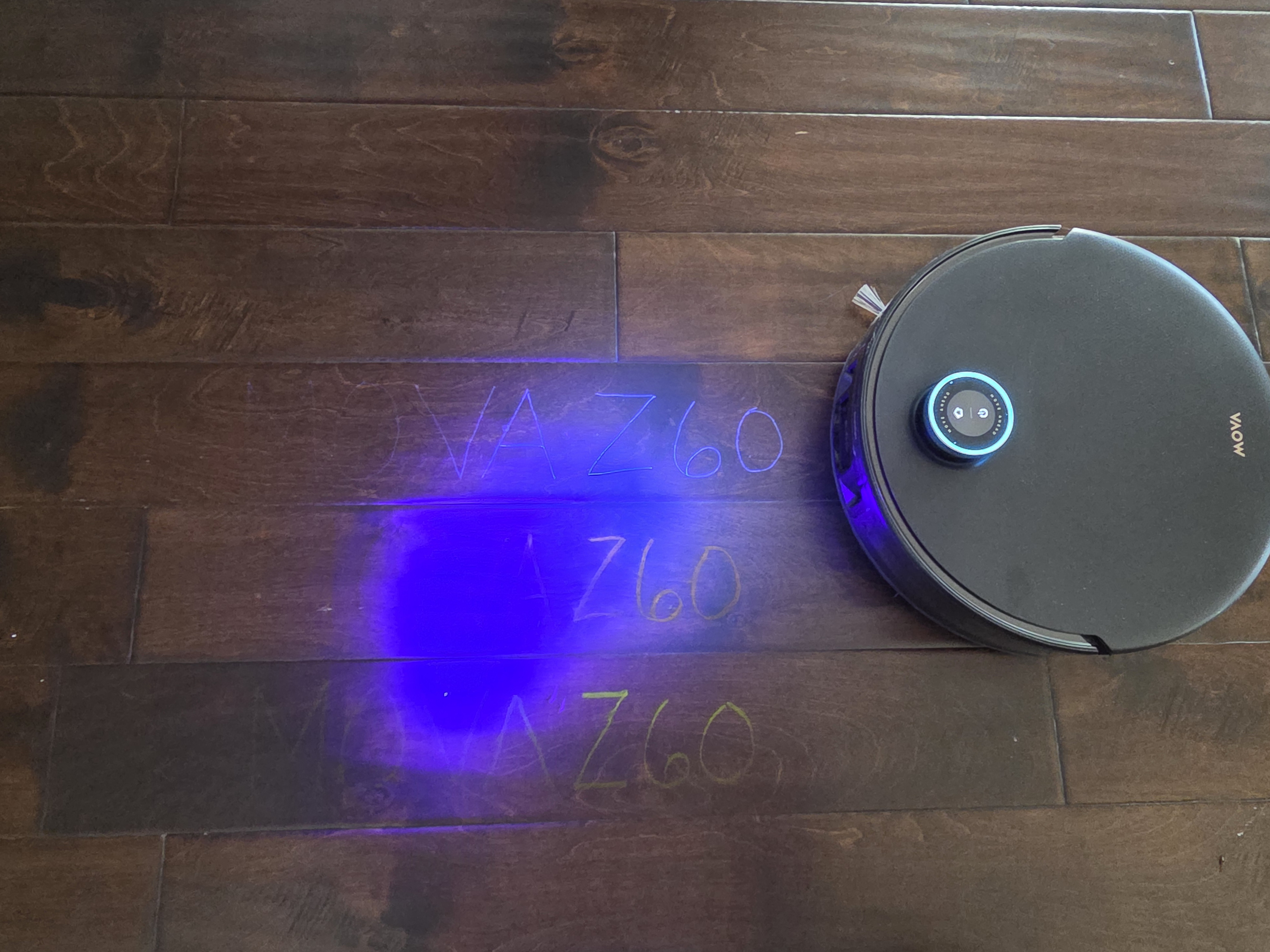
I positioned everything on the floor, ran the Z60 through a vacuum then mop cycle, and then hit the area with a UV flashlight--100 LED 395nm--it's a big 'un.
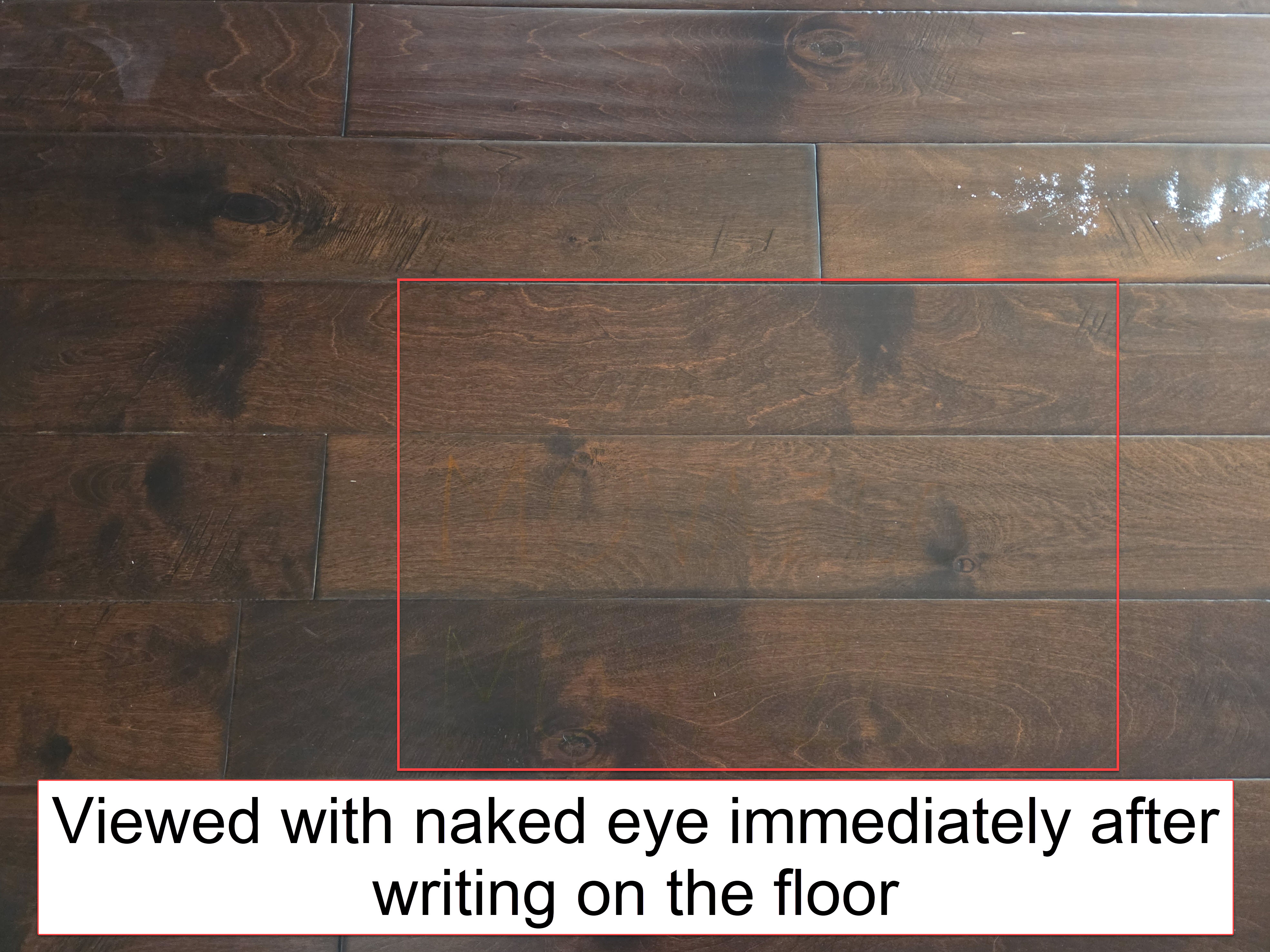
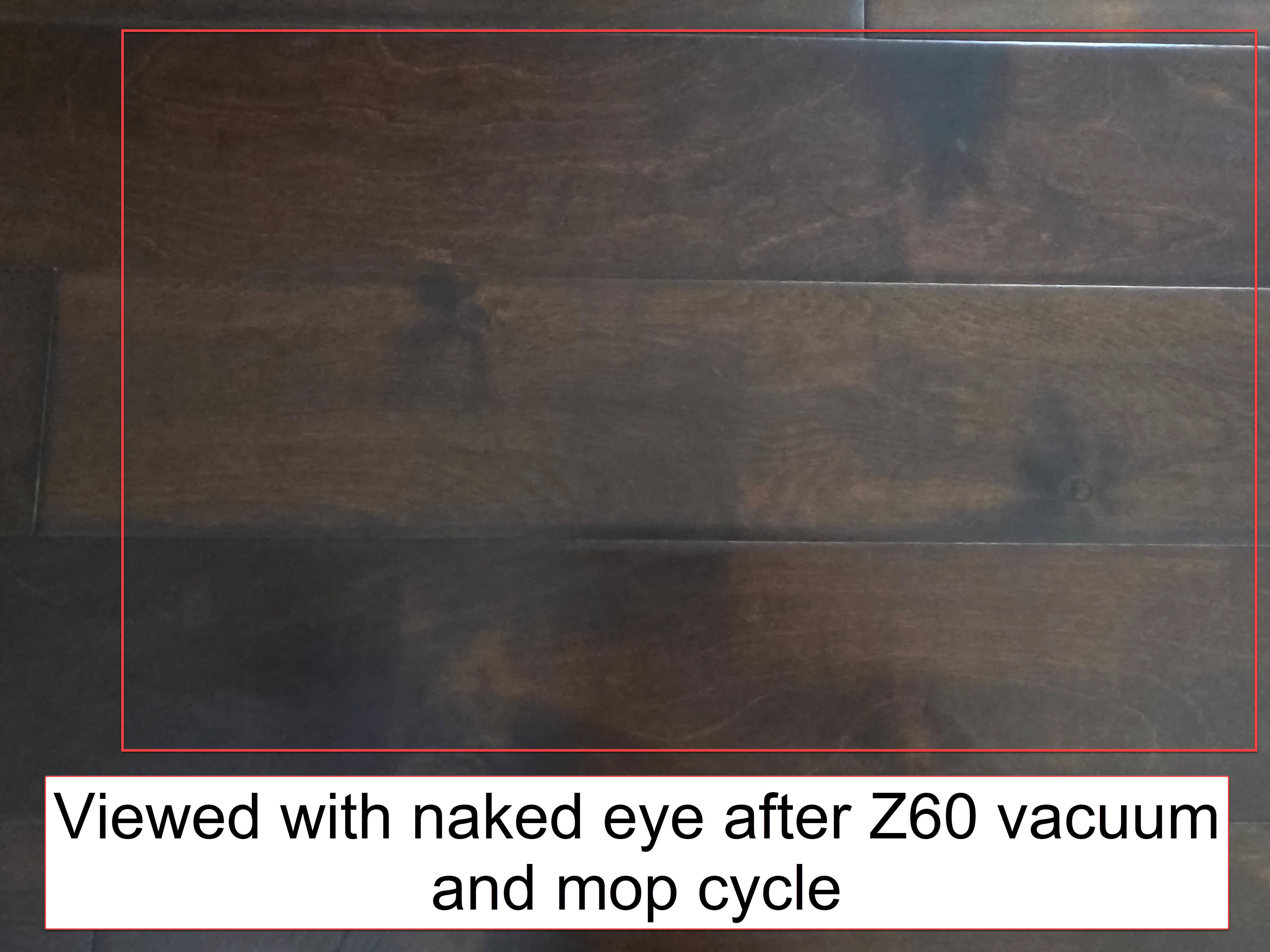
The good news: The Z60 absolutely crushed the test. It picked up all the baking powder after mopping. It removed 100% of the invisible ink, and the floor looked spotless to the naked eye
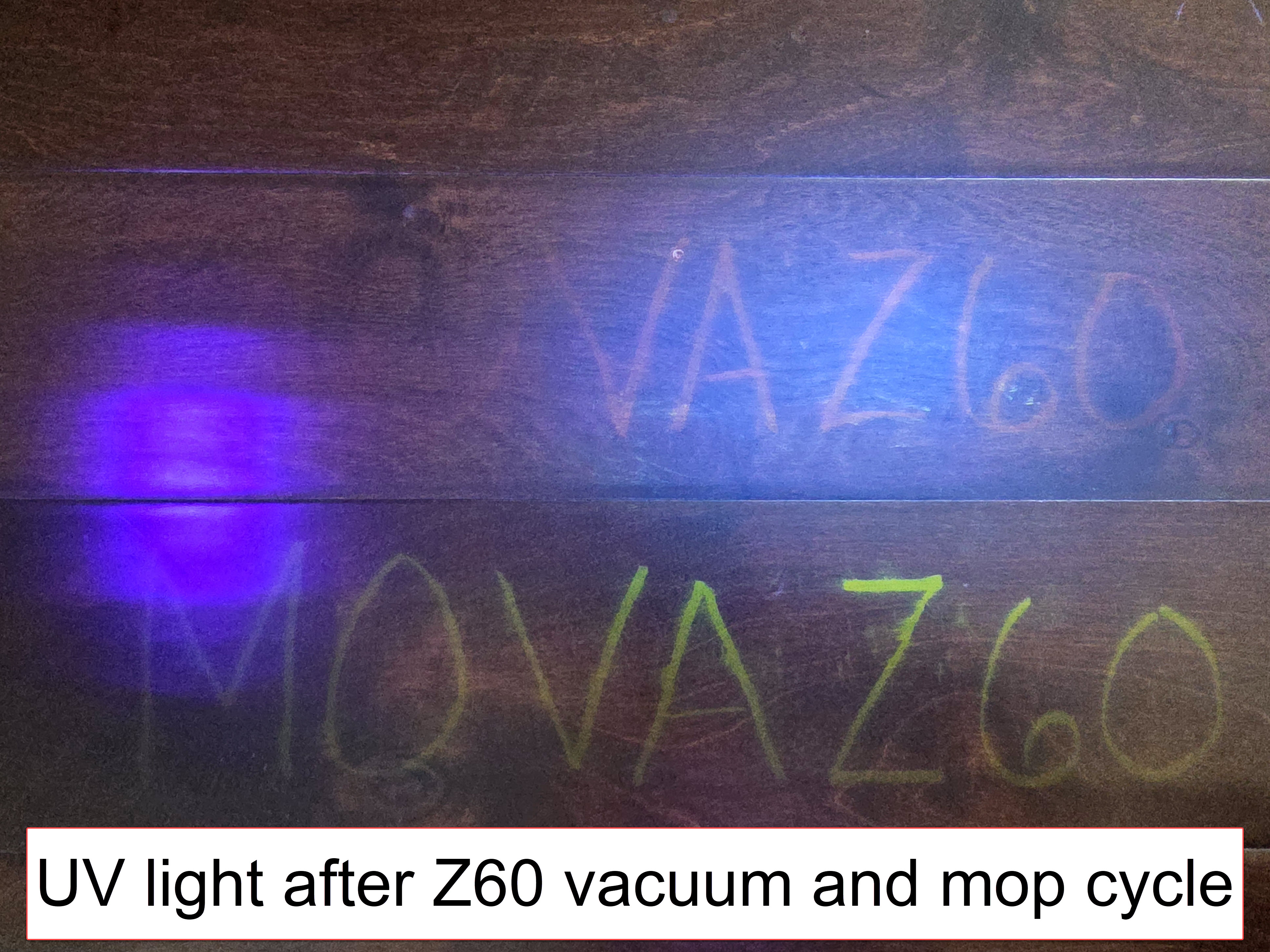
And then things went sideways… under UV light, the pink and orange highlighters lit up like a CSI training room. You can’t see any of it normally, but the UV flashlight makes it look like the Z60 didn’t touch the area at all.
Except, it’s not the Z60’s fault. To double‑check, I grabbed Dawn foaming soap and a Magic Eraser and scrubbed the floor for over a minute. Nothing changed. The highlighter stains didn’t budge.
So now I’m down the rabbit hole of “how to remove highlighter from a wooden floor,” because apparently UV light is brutally honest.
Takeaway:
The Z60 passed the test — the UV light just revealed that highlighters bond to wood like a teen to my credit card. Invisible ink and baking powder? No problem. Highlighters? That’s a whole different battle.
I'd love to know if anyone has a magic trick for removing fluorescent highlighter from wood.
Disclaimer: I received this Z60 as part of the MOVA Z60 Get & Create Event. #GetYourZ60
If the writing on the wooden floor was made with a highlighter, you can first try gently wiping it with an eraser or a bit of toothpaste. These methods usually help lighten or remove the marks. If the stain is more noticeable, you can also try dipping a cotton swab in a small amount of alcohol and gently wiping along the grain of the wood, then immediately clean the area with a damp cloth.
We recommend testing the method on a discreet, less visible area first to ensure it won’t damage the floor’s surface.